Insights on Voice AI & Automation
Practical guides, industry insights, and product news for businesses using AI to transform customer interactions.
12 articles
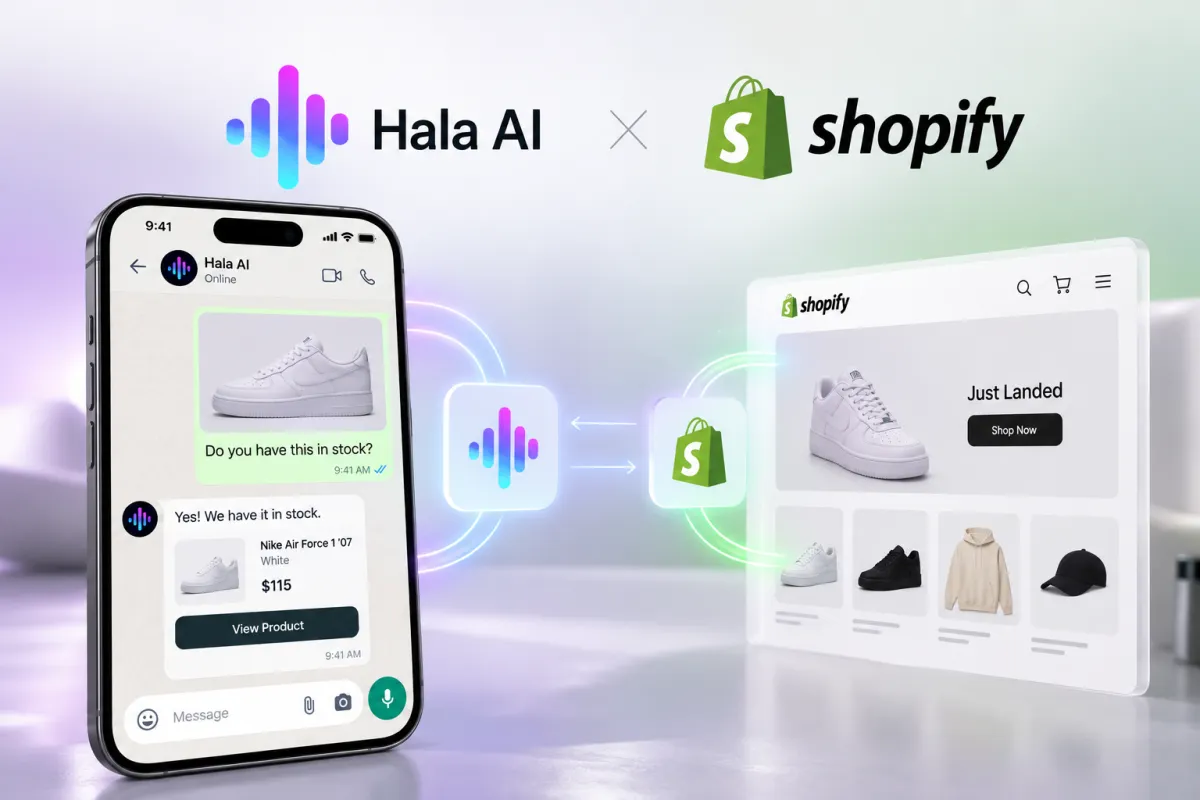
Hala AI Now Integrates with Shopify: Turn Your Store Into a 24/7 AI Sales Assistant
Connect your Shopify store to Hala AI and turn your product catalog into a 24/7 AI sales assistant. Answer product questions across web, WhatsApp and more in Arabic and English. Built for Shopify businesses in Lebanon, UAE, Saudi Arabia and the GCC.
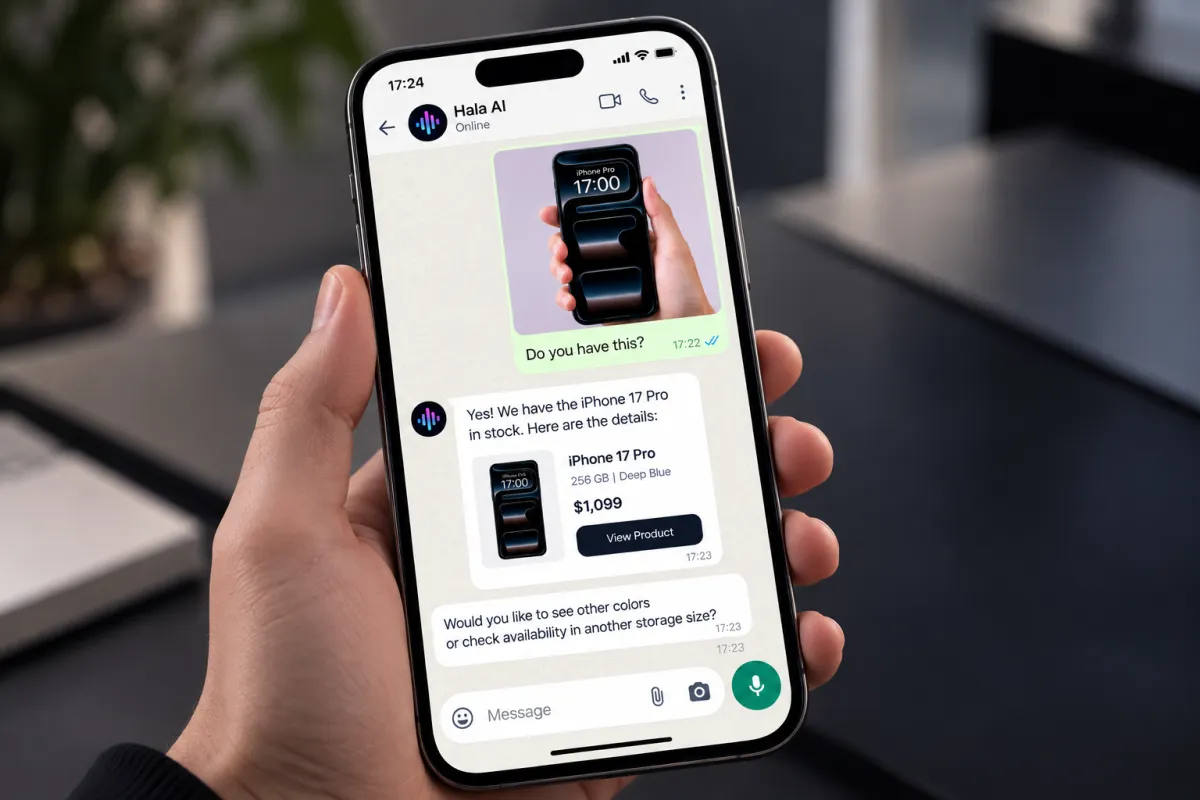
Can AI Understand Product Images Sent Through WhatsApp?
Customers send product photos on WhatsApp and ask “Is this available?” Learn how visual AI can understand images, search product data and automate customer service for businesses in Lebanon, UAE, Saudi Arabia and the GCC.
How Assi Exchange Automated Customer Messaging With Hala AI
How Assi Exchange in Hamra, Beirut uses Hala AI to answer customer messages instantly, so its team can stay focused on the customers standing at the counter.
Tekna Group International x Hala AI: Every Call Answered
How Tekna Group International uses Hala AI to answer every customer call about kitchens, wardrobes and countertops, and turn each one into a qualified project lead.

After-Hours Calls: Replace Voicemail With an AI That Answers
Voicemail records a message. An AI voice assistant has a conversation, captures the lead, and tells your team exactly who called, why, and what to do next.

Restaurant Missed Calls: The Hidden Revenue in Every Phone Call
Most restaurants never learn how many bookings the phone cost them. Here is why missed calls quietly drain revenue, and how an AI phone assistant answers every one.
Hala AI Captures Every Enquiry, So Your Business Never Misses an Opportunity
Every missed call is a missed sale. Hala answers 100% of calls in your customer's own Arabic dialect, captures high-value enquiries in a structured way, and delivers them instantly to the right person on your team.
Hala AI Doesn't Just Answer Calls. It Actually Knows Your Business.
It's 9:47pm on a Thursday and a customer wants to book before closing. A scripted answering bot guesses. Hala AI knows the day, the time, your hours, and your rules — and answers accordingly. Here's what context-aware AI really means.
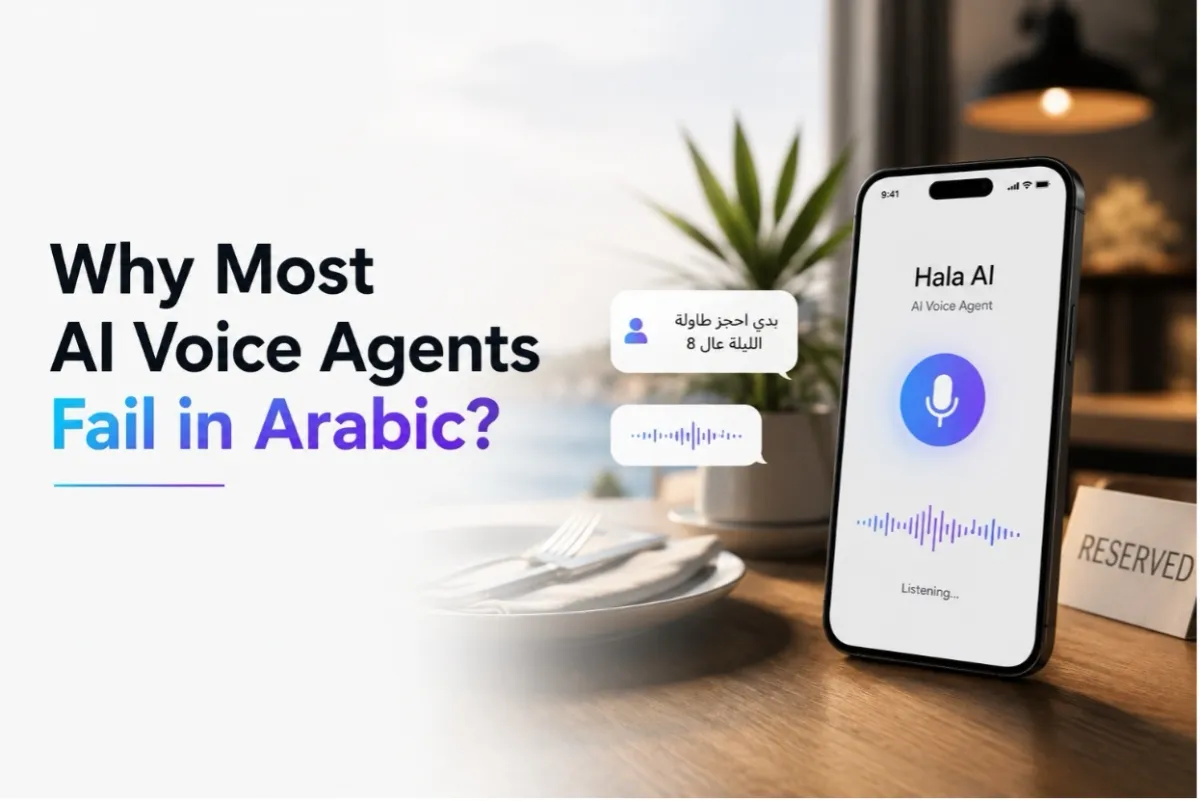
Why Most AI Voice Agents Fail in Arabic
A customer calls in Lebanese dialect, the AI asks them to repeat, then answers in stiff formal Arabic. Here's why most AI voice agents break down in real Arabic conversations — and what it takes to build one that actually works in this region.
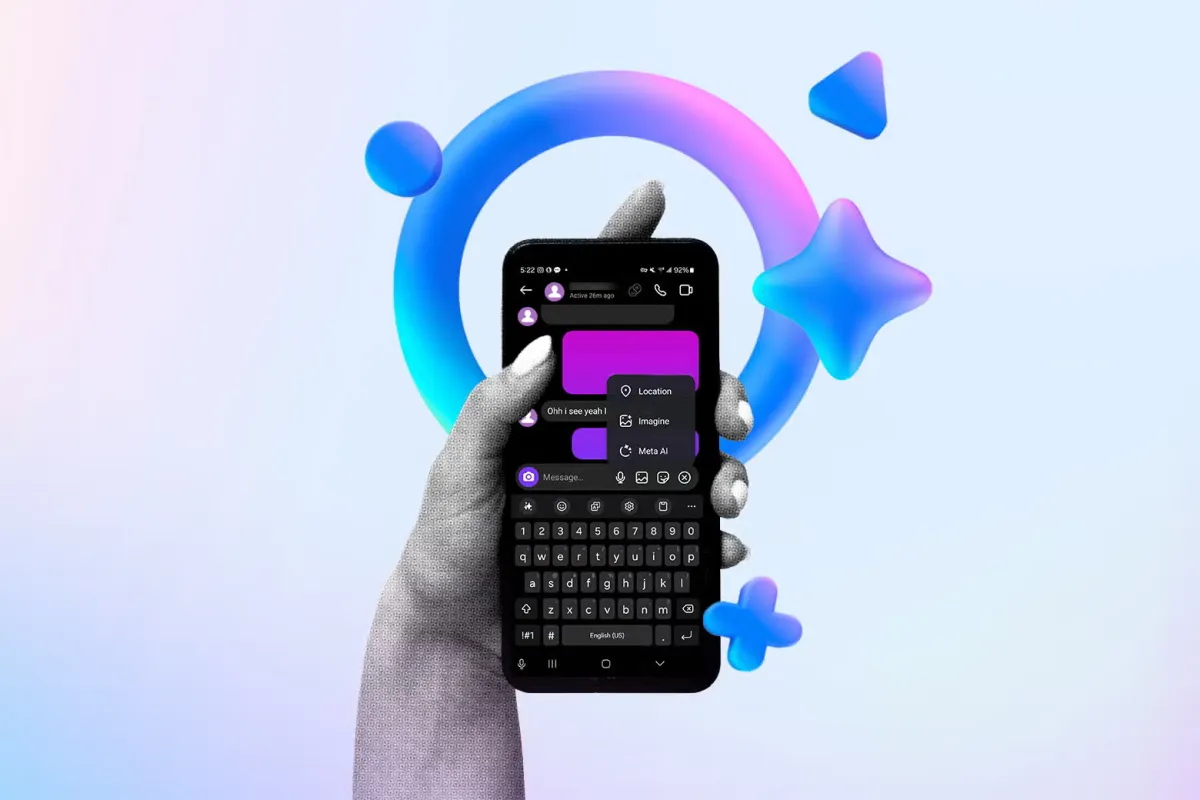
Instagram Integration: How Hala AI Replies to Every DM, Comment, and Story Mention Automatically
Your customers are sliding into your Instagram DMs at midnight. Here's how Hala AI answers every message, comment, and story reply instantly — turning followers into paying customers 24/7.

Maximize Your Game-Day Revenue During World Cup 2026 with Hala AI
Restaurants miss 40–50% of calls during peak hours — and World Cup 2026 will only make it worse. Here's how Hala AI answers every game-day call, books more tables, and promotes your match-night offers automatically.
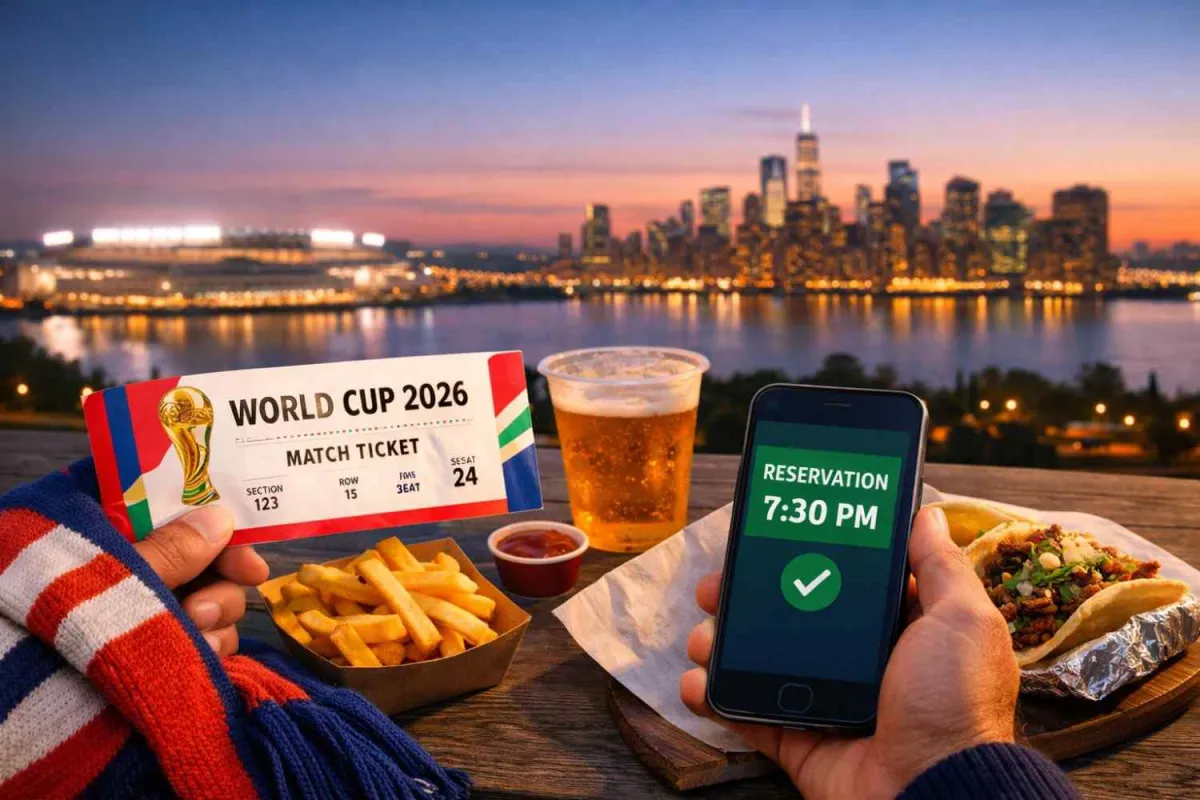
World Cup 2026 Restaurant Rush: How Hala AI Helps Restaurants Capture More Reservations
World Cup 2026 will drive massive demand for restaurants, cafés, and lounges across MENA. Here's how Hala AI helps them answer every call and capture more bookings during peak match days.
Want to see Hala AI in action?
Book a personalised demo and see how voice AI can work for your business.
Book a Demo →